CATALYST
DENVER MUSEUM OF NATURE & SCIENCE ONLINE MAGAZINE
8 Things That Inspire Valentine’s Day Energy at the Museum
Red, Pink, Hearts, Roses. We Just Can’t Get Enough of These V-Day Feels.
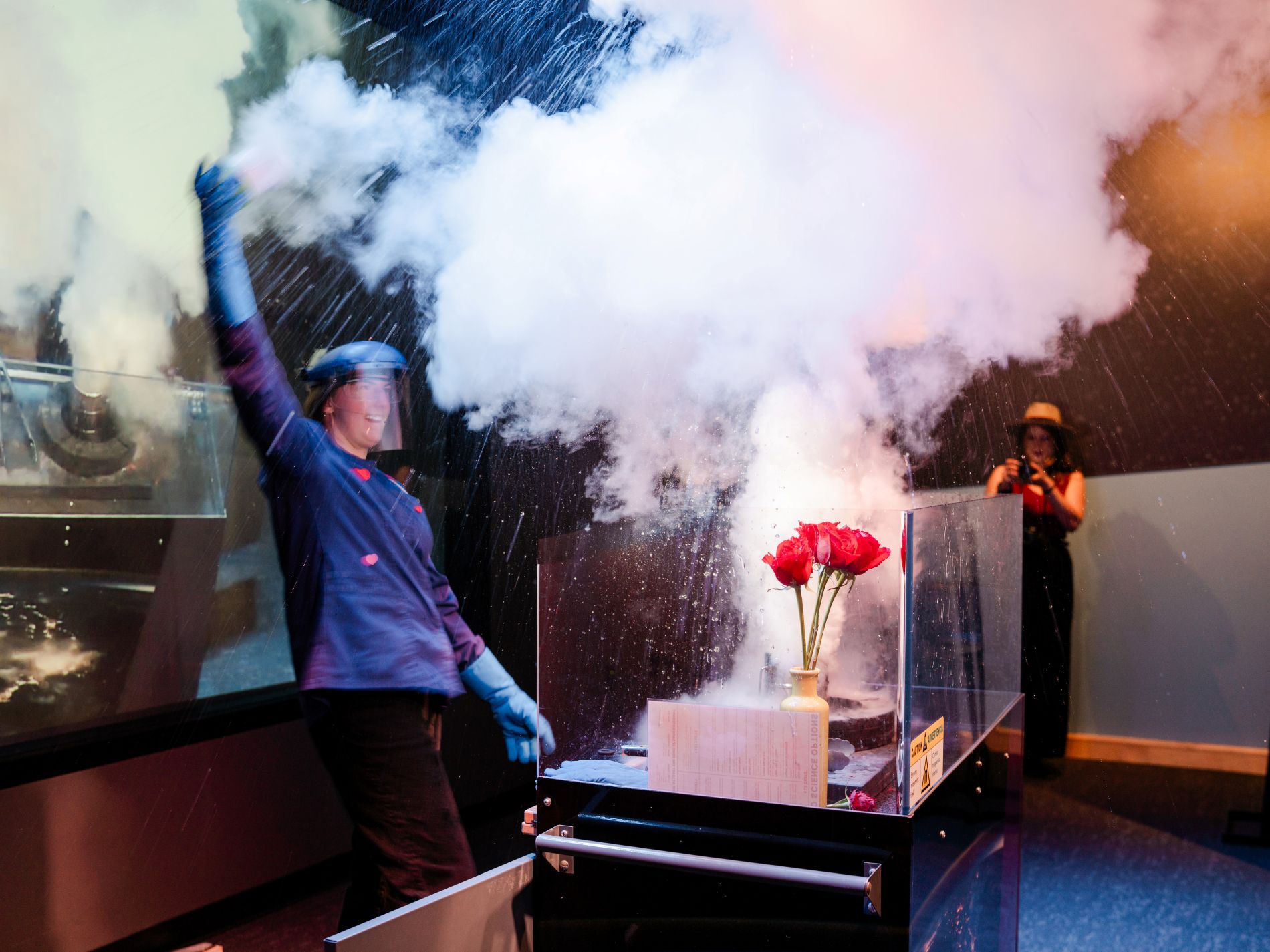
The Museum’s “Science Lounge – Darwin Day Valentine’s Soirée” on Feb. 12 is a playful evening event that blends science, nature, cocktails and Valentine’s vibes. (Photo/ DMNS)
It’s time to break out the pen and paper. Grab some pink or red cardstock, add a rose or two and don’t forget to draw a heart. Valentine’s Day is coming up, after all, so it’s time to make sure your beloveds know exactly how much they mean to you. And if you don’t have a romantic partner, that's alright, you can always write to your friends, your parents (particularly your moms, boys) or even yourself.
But some of the artists out there like to get a little creative and draw or create art for Valentine's Day. So, if you need inspiration, below are a few animals and objects from the Museum in our collections or on display that can inspire you for Valentine's Day.
Enjoy the day, lovebirds!
Rosy Maple Moth (Dryocampa rubicunda)
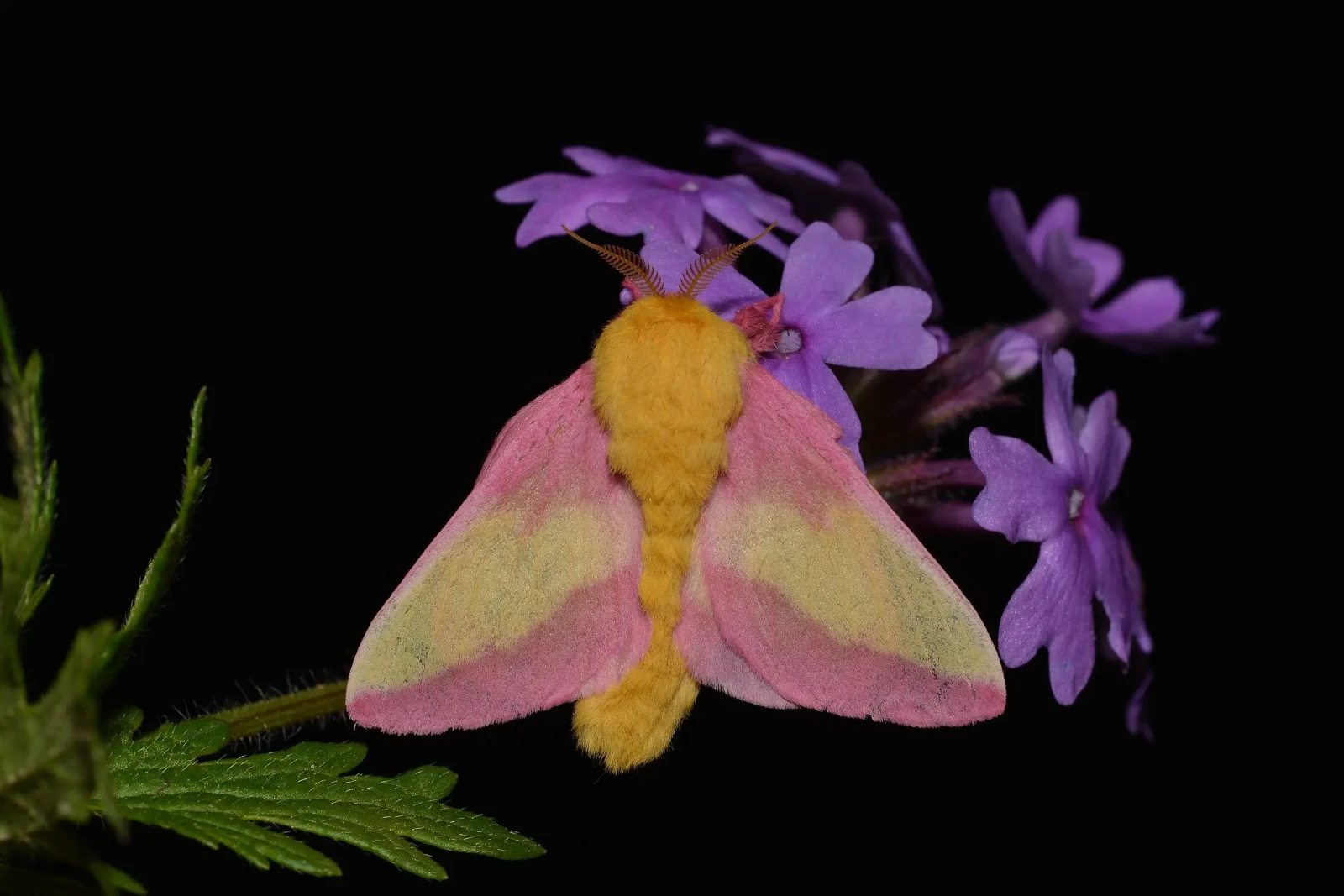
A Rosy Maple Moth on a flower in Don Robinson State Park in Cedar Hill, Mo., on May 5, 2019. (Photo/ Andy Reago & Chrissy McClarren via Flickr)
With its vibrant pink and yellow hues, the Rosy Maple Moth looks like it flew straight out of a candy shop. But beneath that "strawberries and cream" exterior is a high-stakes race for romance: these moths actually don't have mouths. That means they can't eat and all their energy stores comes from the voracious eating they did as larvae. Their adult stage is focused entirely on one mission: finding a mate. With no way to refuel, they only have about a few weeks to find "the one."
Think you’re under pressure to find a Valentine? At least you can stop to snack on some chocolates while you search!
Distribution: Eastern United States and southern Canada
Museum Location: Zoology Collections, Avenir Collections Center
Heart-Shaped Cockle Shell (Nemocardium bechei)
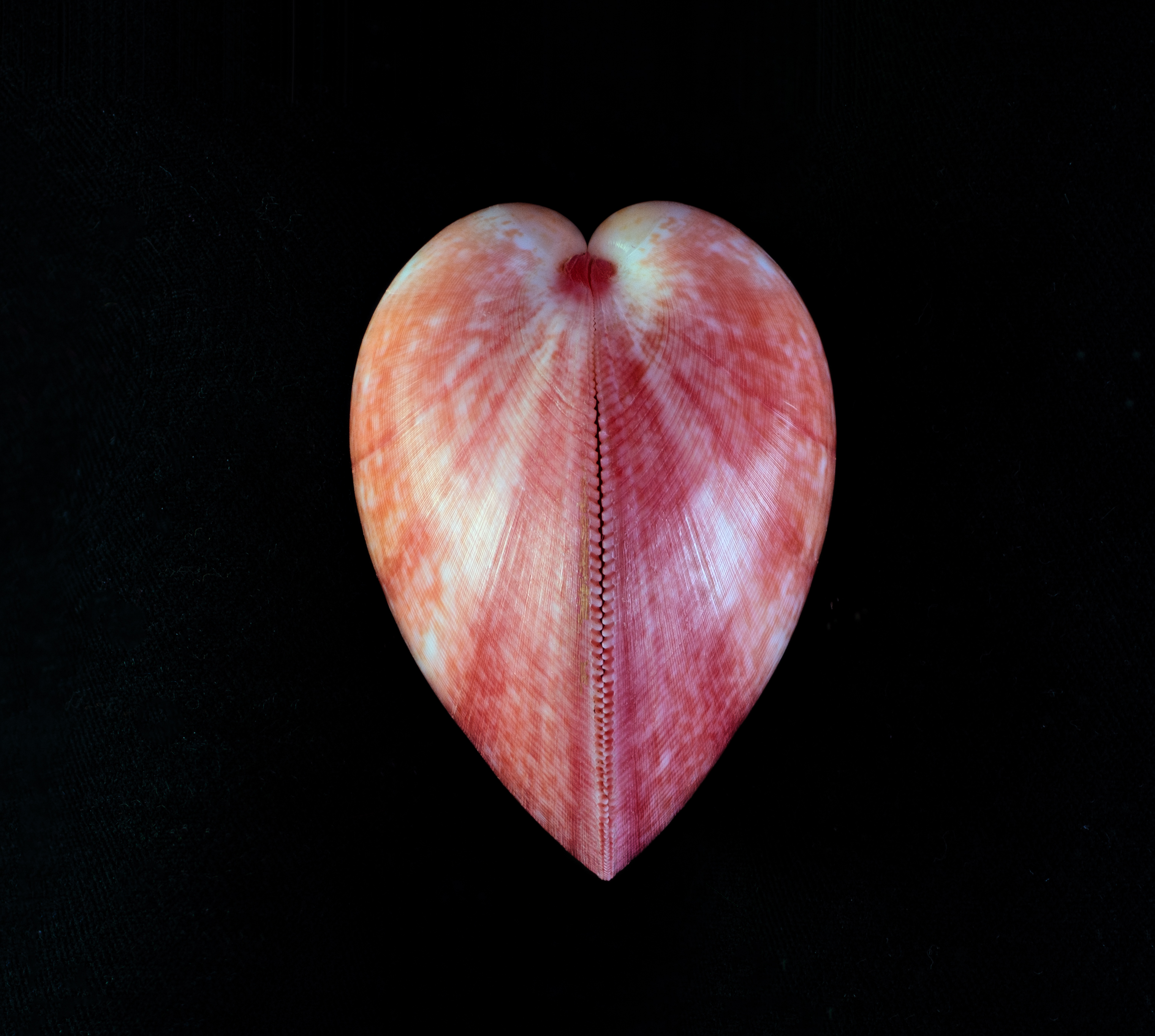
A Heart-Shaped Cockle in the Museum's Zoology Collection in the Avenir Collections Center. (Photo/ Bob Livingston)
True to their name, these shells are shaped like beautiful, symmetrical hearts when viewed from the side. The Heart-Shaped Cockle forms a symbiotic relationship with tiny algae called zooxanthellae within their tissues. The cockle provides the algae with a safe home while the algae provide the mollusk with nutrients.
Distribution: Indo-Pacific region
Museum Location: Zoology Collections, Avenir Collections Center
Giraffe Weevil (Trachelophorus giraffa)
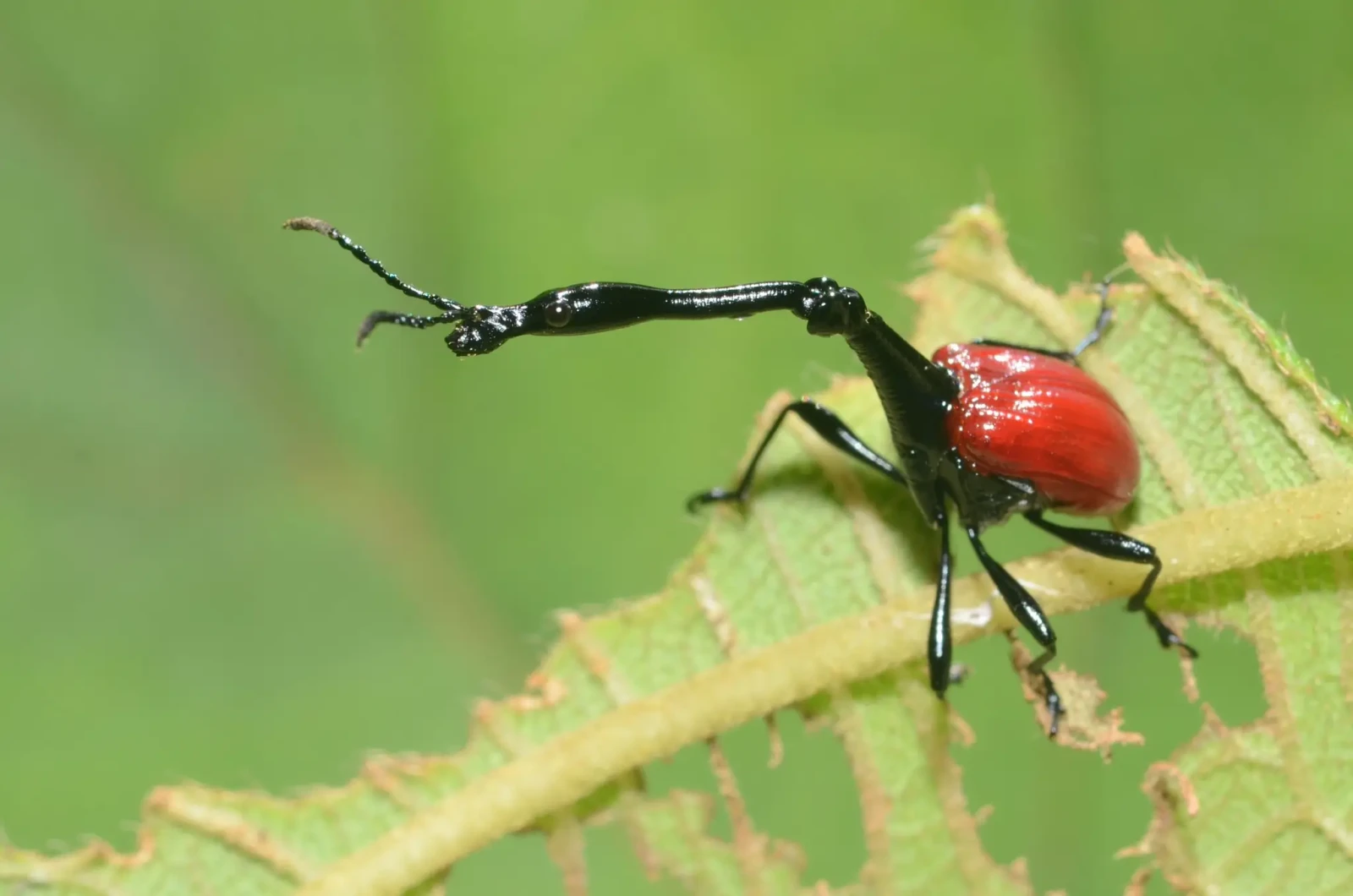
A Giraffe Weevil on a leaf. (Photo/ Pavel Kirillov via iNaturalist)
The giraffe weevil’s famously long neck isn’t just for show — males use their necks to fight rivals, and females use them to roll leaves up around their fragile eggs. Females lay just one egg inside a carefully crafted leaf roll, creating a safe nursery for their young. Their striking red wing covers are thought to act as a deterrence to predators.
Distribution: Madagascar
Museum Location: Zoology Collections, Avenir Collections Center
Roseate Spoonbill (Platalea ajaja)
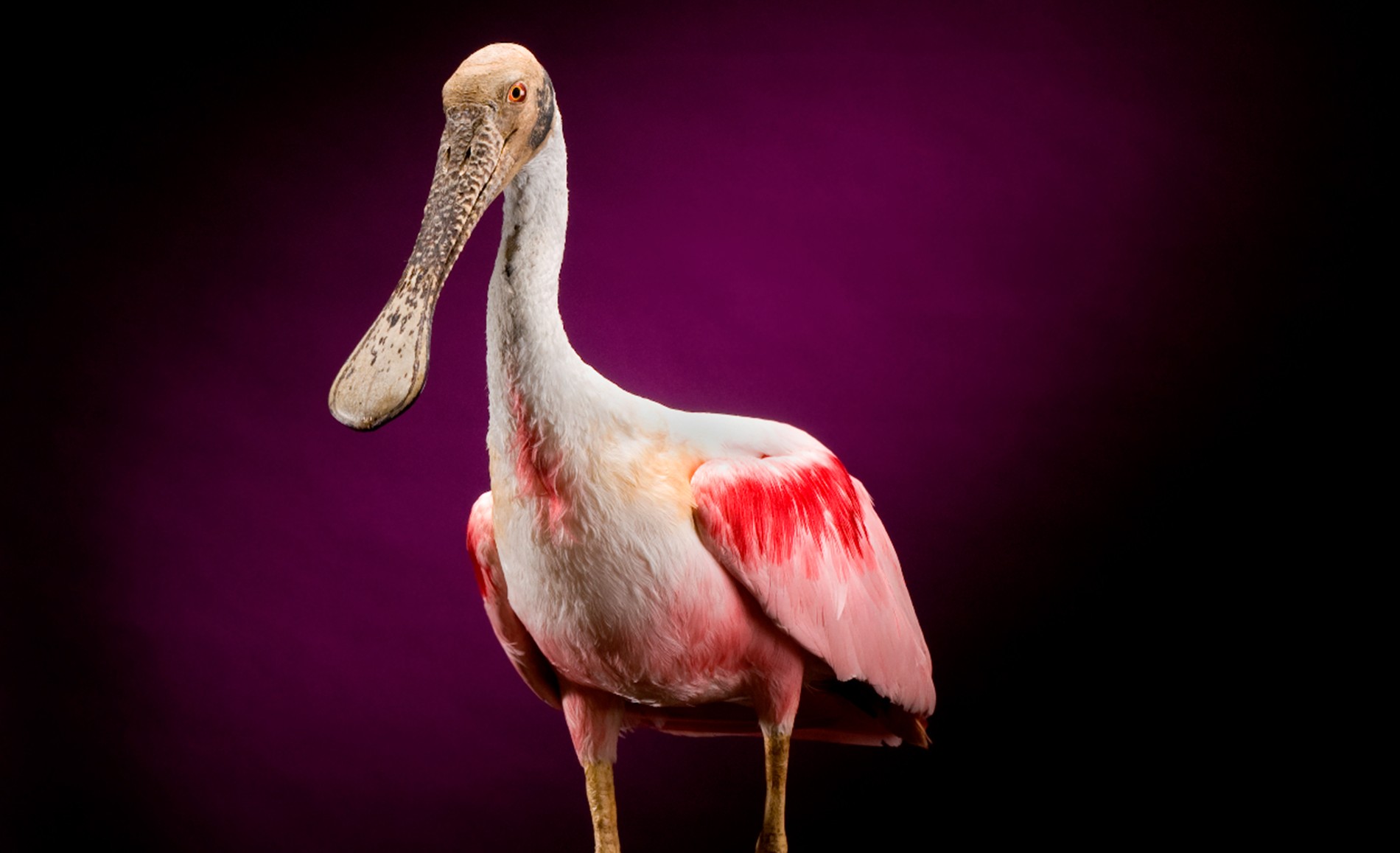
A Roseate spoonbill specimen in the Museum's Zoology Collections. (Photo/ Rick Wicker)
Roseate spoonbills get their intense pink coloring from eating crustaceans and other aquatic invertebrates. These birds are socially monogamous for one mating season where they engage in “dancing,” which includes raising their wings, bowing down and crossing and clasping beaks. They also present each other with sticks during this ritual courtship — maybe like we present each other with candies and flowers on Valentine's Day?
Distribution: Gulf Coast, the Caribbean and Central/South America
Museum Location: Zoology Collections, Avenir Collections
New World Flying Squirrels (Glaucomys sp.)
Under ultraviolet (UV) light, New World flying squirrels glow a vivid, hot pink. Scientists discovered this "biofluorescence" relatively recently, and while they are still researching the exact cause, one theory is that it helps the squirrels spot each other in the dim twilight — essentially acting as a biological "I'm over here!" sign for potential partners.
Distribution: North and Central America
Museum Location: Zoology Collections, Avenir Collections Center
Baryte “Desert Roses”
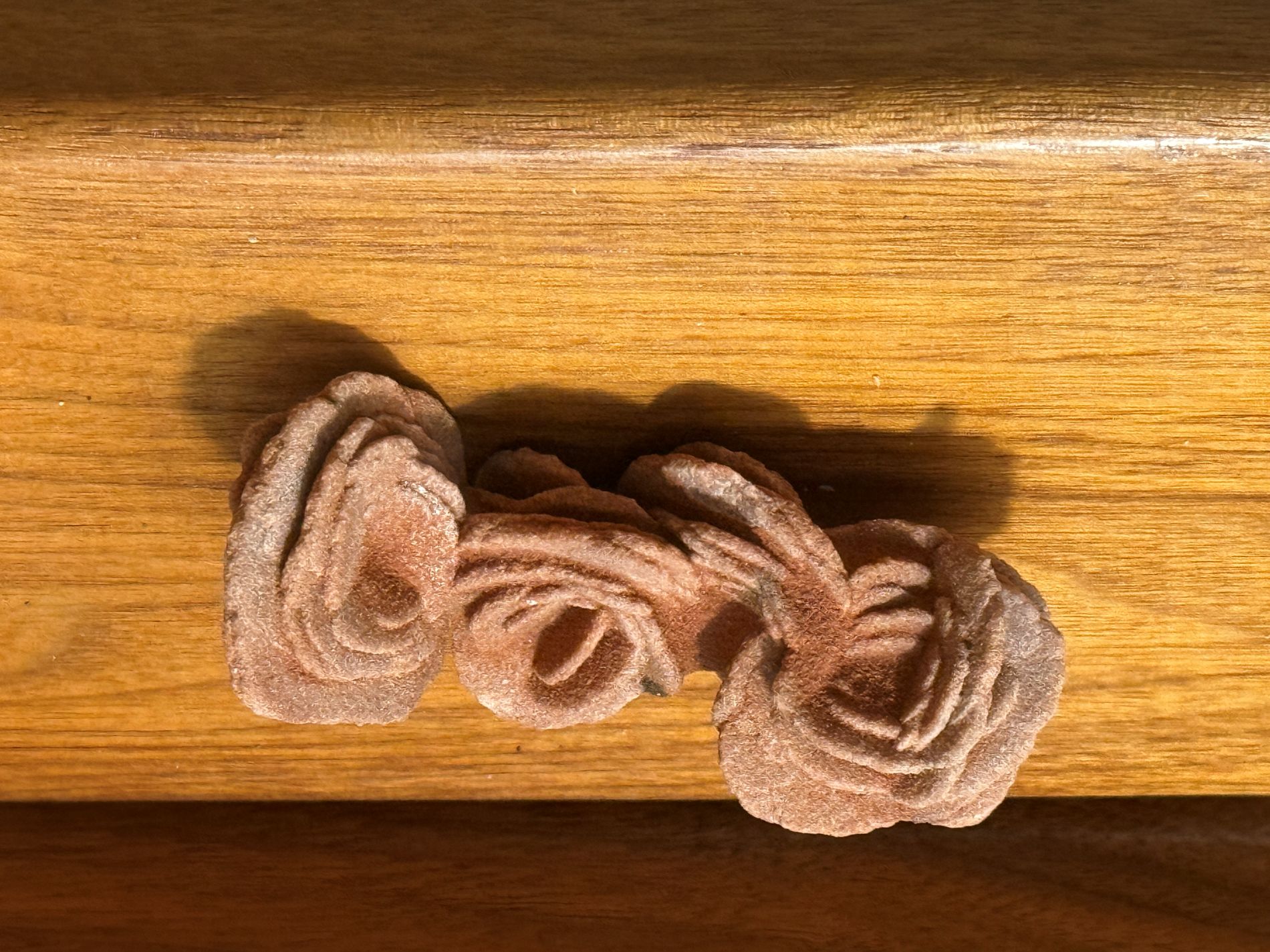
Baryte “desert roses” grow in arid environments. (Photo/ Taran Volckhausen)
These crystals may look like blooming roses, but they are entirely made of the mineral baryte. Each “petal” forms as baryte crystals grow outward from a central point. Desert roses grow in arid environments and unlike a bouquet of flowers, they will never wilt or lose their shape.
Distribution: Worldwide
Museum Location: Coors Hall of Gems and Minerals
Ladybug “Love Bug” in Brick Planet (Coccinellidae)
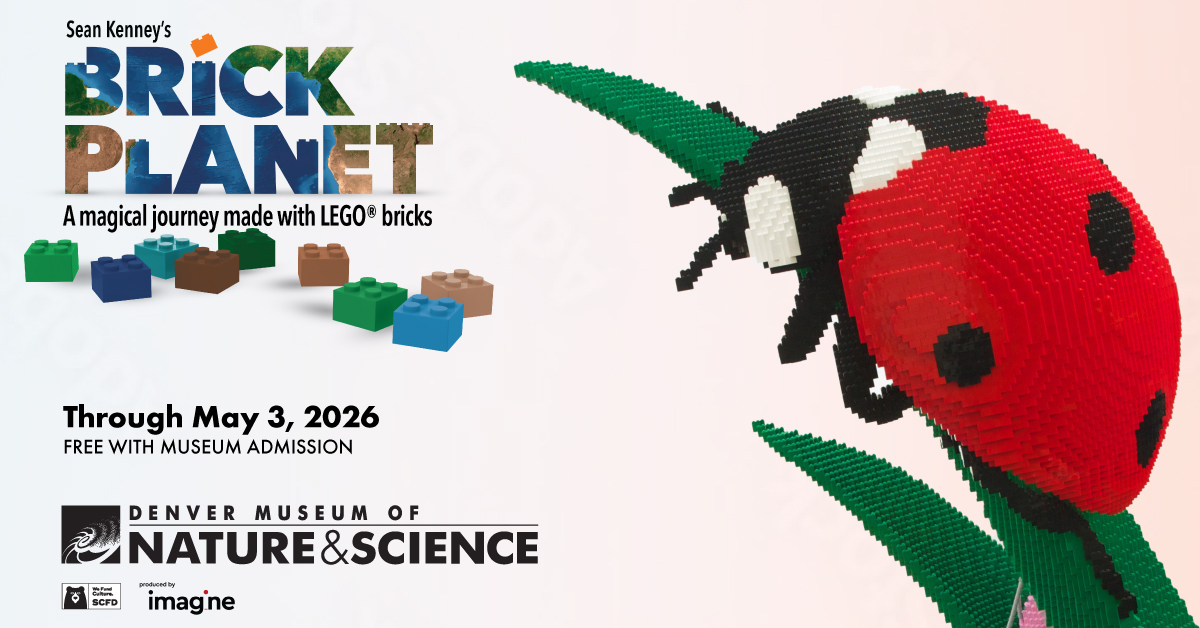
At the Denver Museum of Nature & Science, you can spot a ladybug built with thousands of LEGO® bricks up in “Brick Planet: A magical journey made with LEGO® bricks.” (Photo/ DMNS)
Ladybugs (family Coccinellidae) are basically everyone’s favorite predator. They help keep gardens, croplands and ecosystems in balance by feasting on pesty aphids. Across cultures, they’re also a symbol of love and good fortune. At the Denver Museum of Nature & Science, you can spot two ladybugs right now: our famous climbable ladybug downstairs and another built with thousands of LEGO® bricks up in “Brick Planet: A magical journey made with LEGO® bricks.”
Distribution: Every Continent Except Antarctica
Museum Locations: Insects and Butterflies exhibition, Brick Planet
Sauropod with a Heart-Shaped Tailbone
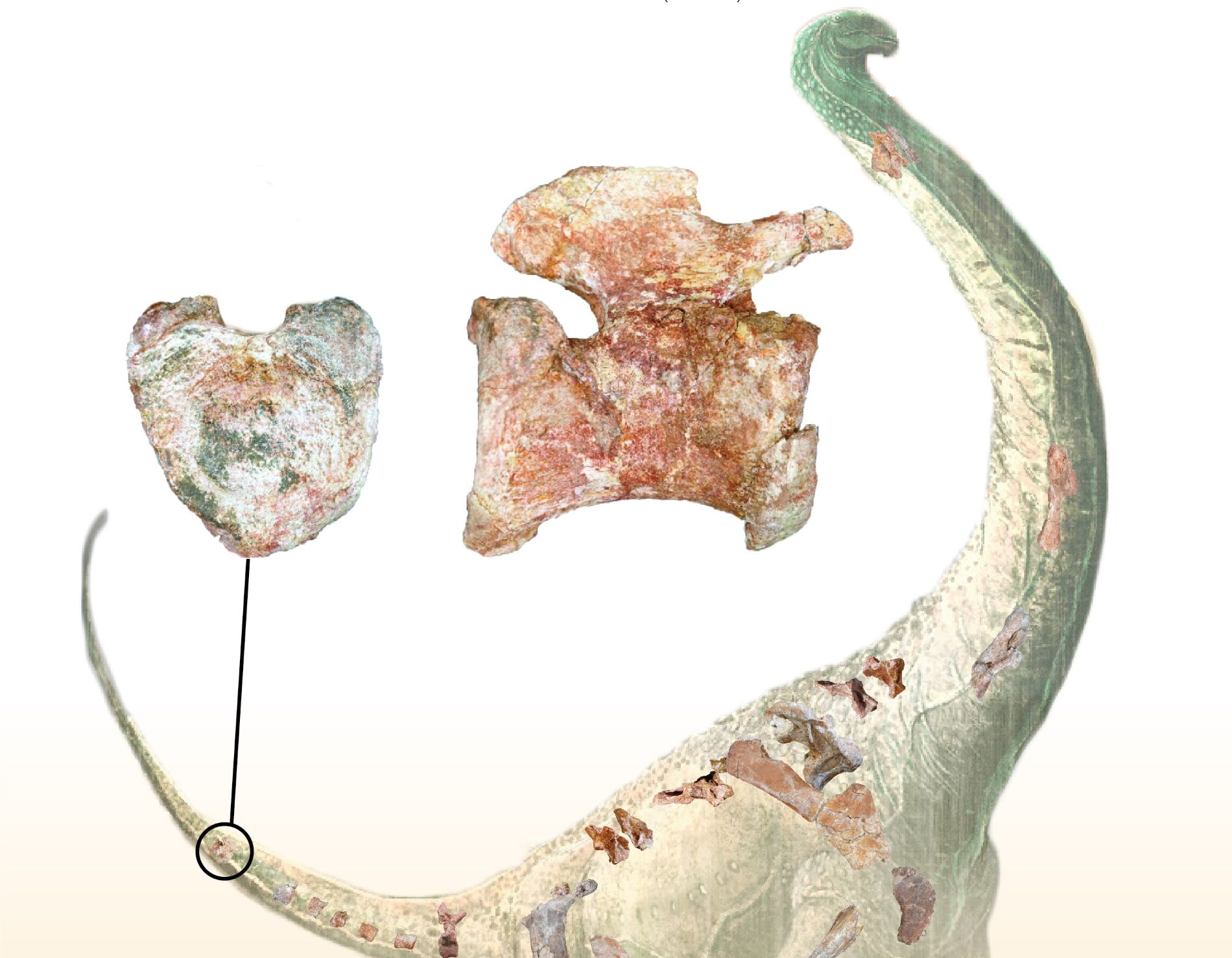
The long-necked dinosaur Mnyamawamtuka moyowamkia has a heart-shaped tailbone. (Illustration/ Mark Witton)
Down in the Museum's paleontological collections, we are working to conserve a special heart-shaped tailbone from the long-necked Mnyamawamtuka moyowamkia, a sauropod dinosaur. Scientists found the animal in the Mtuka riverbed in Southwest Tanzania and the name means "animal of the Mtuka with a heart-shaped tail" in Swahili. The species of appropriately-named titanosaurs was described in a paper by Earth and Space Sciences Director Pat O'Connor and his Ph.D. student Eric Gorscak in 2019. After conservation and research activities are completed, the specimens will be returned to Tanzania where they will be permanently reposited at the National Museum of Tanzania in Dar es Salaam.
Distribution: Only known in Rukwa Rift Basin, Southwest Tanzania
Museum Location: Paleontological Collections, Avenir Collections Center
Come to our Valentine's-Themed Party!
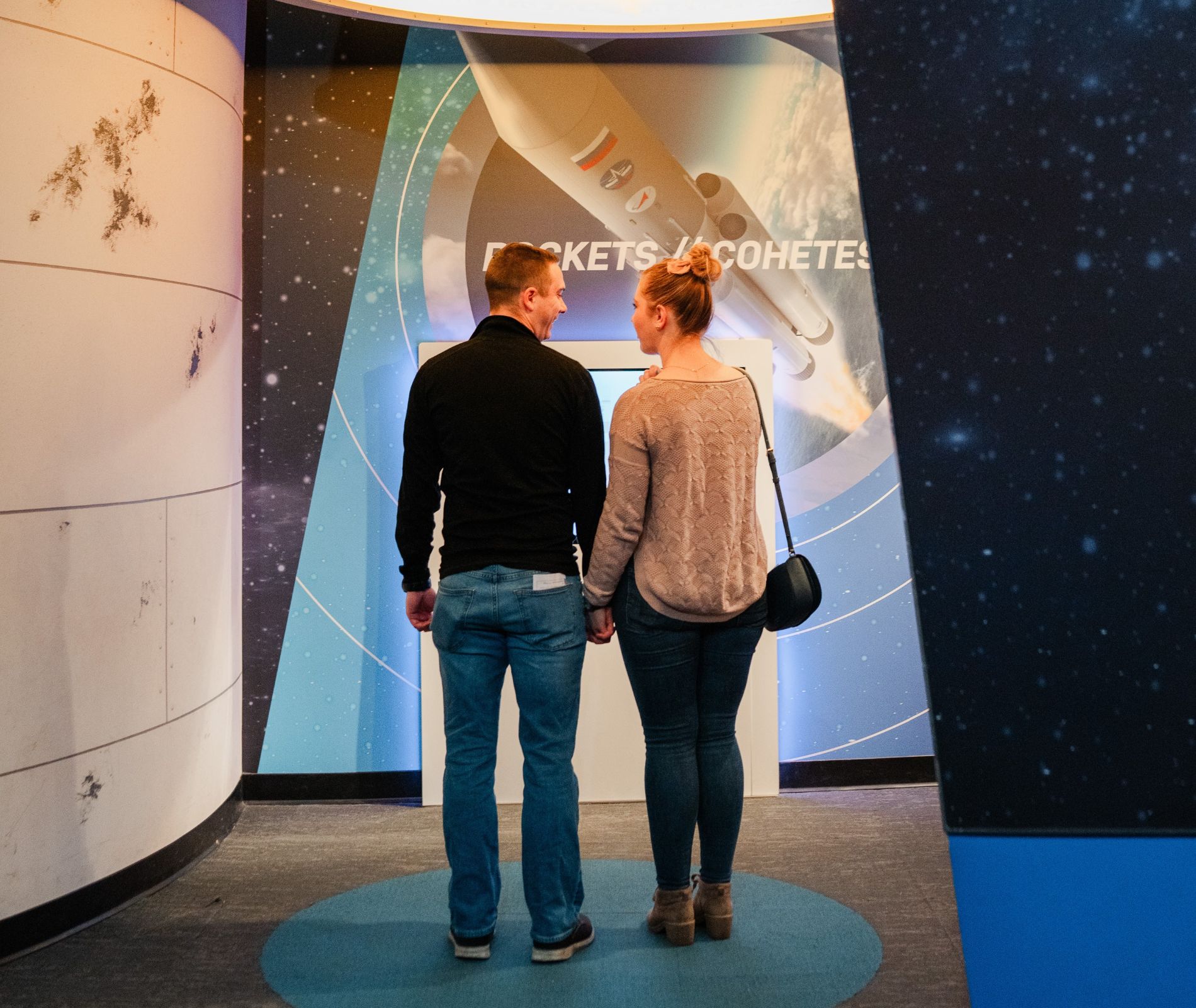
The Museum’s “Science Lounge – Darwin Day Valentine’s Soirée” on Feb. 12 is a playful evening event that blends science, nature, cocktails and Valentine’s vibes. (Photo/ DMNS)
Science Lounge – Darwin Day Valentine’s Soirée
Feb. 12 | 7 p.m.
Join us as we honor Charles Darwin, the father of evolutionary theory, with a night of romance and discovery. Dive into a lively mini-lecture with Dr. Paula Cushing, senior curator of invertebrate zoology, and Andrew Doll, zoology collections manager, as they reveal the wild world of animal mating rituals — a playful, steamy look at love in nature. Craft clever, heartfelt Valentine’s gifts in our arts and crafts studio inspired by Darwin’s famous “pros and cons” list before his proposal. Sip themed cocktails and mocktails, explore science activations, stargaze (weather permitting) and enjoy a night full of fun, fascination and Valentine’s vibes. Get tickets!